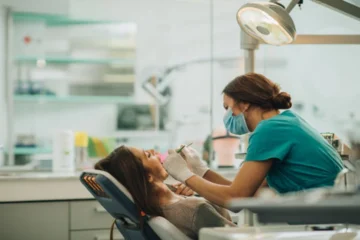
6 Tips For Maintaining Oral Hygiene During Orthodontic Treatment
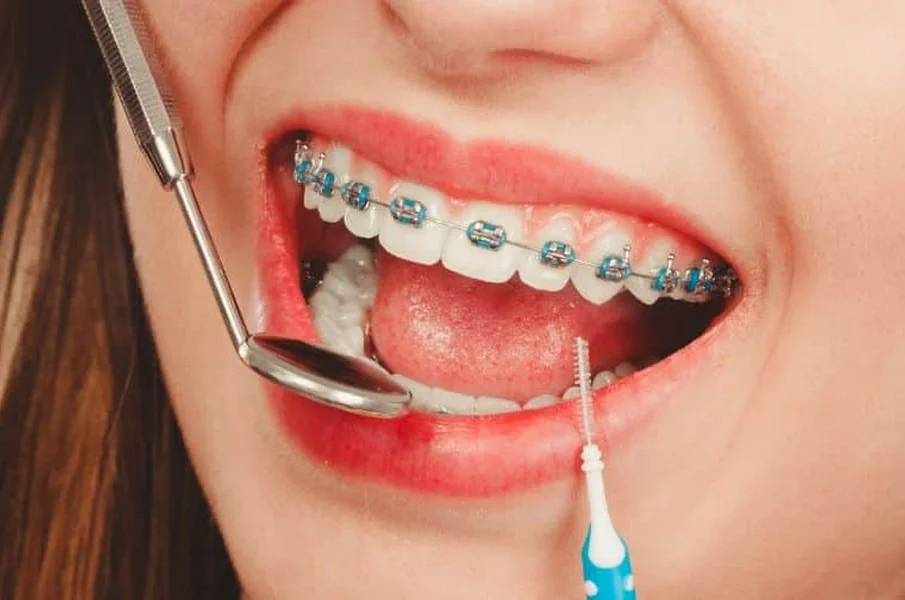
You might be feeling a little caught off guard by how much your mouth care routine changed once braces or aligners became part of daily life, and an orthodontist in Chicago, IL can help you adjust. Before treatment, brushing may have felt simple and quick. After treatment started, food began hiding in small spaces, flossing took longer, and your teeth may have felt sore just when you were trying to clean them well. That can be frustrating, especially when you are trying to protect your smile while also improving it.
The good news is that maintaining oral hygiene during orthodontic treatment does not have to feel overwhelming. With the right habits, you can lower your risk of plaque buildup, gum irritation, bad breath, and staining around brackets. In plain terms, the goal is simple. Keep teeth and gums as clean as possible while your orthodontist works on alignment.
Why does orthodontic treatment make oral hygiene harder than usual?
Orthodontic appliances create more places for plaque and food debris to settle. Brackets, wires, rubber bands, and even clear aligners can turn a basic routine into something that needs more time and care. Because of this, you might notice tender gums, trapped food, or white spots forming if brushing slips for even a short time.
And what happens if those areas stay dirty? Plaque can harden into tartar, gums can become swollen, and enamel can start to weaken. That is why many people in braces feel like they are doing more work than before, yet still wonder if it is enough. If that sounds familiar, you are not overreacting. It really is more demanding.
According to the National Institute of Dental and Craniofacial Research oral hygiene guidance, daily brushing and cleaning between teeth are key parts of preventing tooth decay and gum disease. During orthodontic care, that advice matters even more.
So what are the 6 tips for maintaining oral hygiene during braces or aligners?
1. Brush after every meal when you can. Food clings to brackets and sits along the gumline longer than you think. Use a soft bristled toothbrush and angle it above and below the brackets. If you wear aligners, brush before putting them back in so you do not trap food and bacteria against your teeth.
2. Spend more time cleaning between teeth. Floss threaders, orthodontic flossers, or a water flosser can help reach areas that regular floss struggles to access. This is one of the most useful habits for oral care with braces because plaque often builds where you cannot easily see it.
3. Use fluoride toothpaste and consider a fluoride rinse. Fluoride helps strengthen enamel and lower the chance of white spot lesions. If your teeth seem more sensitive, this step can help in two ways by protecting and soothing at the same time.
4. Watch the foods that get stuck or cause damage. Sticky candy, popcorn, hard chips, and chewy foods can break wires or lodge around brackets. Even healthy foods like apples or carrots may be easier on your braces when cut into smaller pieces.
5. Clean your aligners or appliances the right way. If you use clear aligners or removable retainers, rinse them often and clean them as directed. Do not rely on a quick water rinse alone. Bacteria and odor can build up fast.
6. Keep regular checkups with your dentist and orthodontist. Orthodontic treatment improves alignment, but routine dental visits help catch cavities, gum issues, and areas you may be missing at home. The CDC oral health tips for adults also stress the value of ongoing professional care along with daily habits.
What does a good daily routine look like when life gets busy?
That is often the real challenge, isn’t it? Most people do not skip brushing because they do not care. They skip steps because mornings are rushed, school or work gets in the way, or their mouth feels sore after an adjustment. A realistic routine matters more than a perfect one.
If you eat lunch away from home, carry a small kit with a travel toothbrush, toothpaste, floss picks, and orthodontic wax. If brushing right away is not possible, rinse with water until you can clean properly. If your teeth are sore, use a soft brush and gentle circles rather than scrubbing. Small adjustments make the routine easier to keep.
Which oral hygiene tools actually help during orthodontic treatment?
Not every tool works the same for every person. Still, some options tend to make life easier and can improve orthodontic oral hygiene tips in a practical way.
| Tool | Best For | Main Benefit | One Thing to Watch |
|---|---|---|---|
| Soft bristled manual toothbrush | Daily brushing around brackets or along gumlines | Gentle and easy to control | Needs enough time and good technique |
| Electric toothbrush | People who struggle with thorough brushing | Can remove plaque more consistently | Use a gentle setting if teeth feel sore |
| Floss threader or orthodontic flosser | Cleaning under wires | Reaches tight spaces regular floss cannot | Takes practice at first |
| Water flosser | Braces and gum care | Helps flush food debris and plaque | Works best as support, not always a full replacement for floss |
| Fluoride mouth rinse | Extra enamel support | Helps lower risk of weak spots | Use as directed by your dental team |
For broader dental health information, the MedlinePlus dental health resource offers clear guidance on common oral care concerns.
What can you do today to protect your teeth while seeing an orthodontist?
Build a two minute reset after eating. Even if you cannot do a full brushing every single time, rinse with water, check for trapped food, and brush as soon as you can. That short reset keeps debris from sitting on teeth for hours.
Set up your tools where you will use them. Keep one set at home and one in your bag, desk, or locker. When floss threaders or a travel brush are within reach, you are far more likely to follow through.
Pay attention to early warning signs. Bleeding gums, bad breath, white marks near brackets, or soreness that does not improve can all signal that your routine needs a change. Reaching out to your dentist or orthodontist early can prevent a small issue from becoming a larger one.
Where does that leave you now?
Orthodontic treatment asks more of you, and that can feel tiring at times. Still, a straighter smile should not come at the cost of tooth decay or gum trouble. When you stay consistent with brushing, flossing, fluoride, smart food choices, and regular visits, you give your teeth the support they need through every stage of treatment.
If you are unsure whether your current routine is enough, schedule time with an orthodontist and ask for a cleaning plan that fits your appliance, your schedule, and your comfort. A few small changes now can protect the smile you are working so hard to build.