How Cosmetic Dentistry Builds On The Foundation Of Healthy Smiles
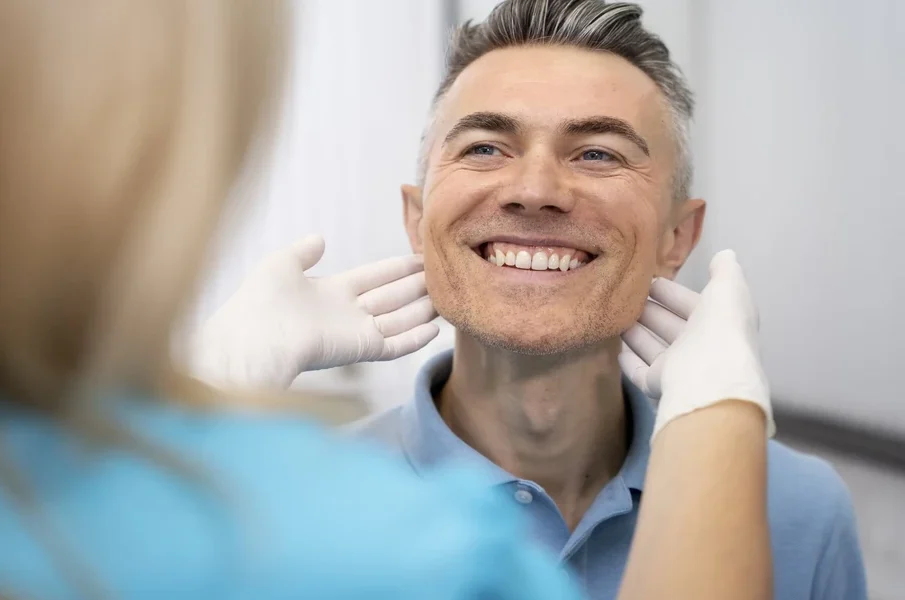
You may be thinking about whitening, veneers, or a straighter smile, but part of you is wondering if it makes sense to focus on looks when your gums bleed a little when you brush, a molar feels sensitive, or you have not had a cleaning in too long. That tension is common. Most people do not start with cosmetic goals alone. They start with a mirror, a photo, or a tooth that does not feel quite right, and they want both confidence and peace of mind. For some, that conversation also includes options like dental implants in Lansdale, PA.
How cosmetic dentistry builds on the foundation of healthy smiles comes down to one simple truth. Cosmetic work lasts longer and looks better when your teeth and gums are healthy first. A brighter, more even smile is not separate from oral health. It depends on it. A general and cosmetic dentist looks at both, treating decay, gum issues, bite problems, and wear before or alongside appearance based improvements.
Healthy teeth and gums support every cosmetic dental treatment
Cosmetic care can improve color, shape, spacing, and balance. It cannot cancel out untreated disease. If you place veneers on teeth with active decay, the problem keeps moving under the surface. If you whiten teeth while gum disease is causing inflammation, the result may be more discomfort and a smile that still does not feel healthy. Good cosmetic dentistry starts with a stable base.
That base usually includes clean teeth, healthy gums, solid enamel, and a bite that is not damaging the teeth every day. You see this in real life all the time. Someone wants bonding to fix a chipped front tooth, but the chip happened because they grind at night. Another person wants whitening, but most of the discoloration is tied to plaque buildup and old fillings that will not respond the same way as natural enamel. The cosmetic goal is still possible, but the path changes once the full picture is clear.
The CDC overview of oral health makes the connection plain. Oral health affects daily comfort, eating, speaking, and confidence. That means appearance and function are linked. When your mouth is healthy, cosmetic improvements have something solid to rest on.
Cosmetic smile enhancement works best when underlying problems are treated first
You can usually feel when something is off, even if you cannot name it. Your breath changes. Your gums look puffy. Cold drinks sting. Food catches in one spot. Those issues do not always seem urgent, which is why many people put them aside and focus on what they can see. The trouble is that small problems often grow quietly. A little recession can expose roots. A worn edge can turn into a crack. Mild gingivitis can become deeper gum trouble if it keeps getting ignored.
Cosmetic smile enhancement should never mean covering symptoms and hoping for the best. It should mean improving your smile in a way that respects how your mouth actually works. A general and cosmetic dentist checks for cavities, gum disease, enamel wear, clenching, bite alignment, and old dental work that may fail under new treatment. That is not a detour from cosmetic care. It is what protects the investment.
There is also the money side of this, and that matters. Redoing cosmetic treatment because the foundation was weak costs more than handling the basics first. If a whitening treatment is done before a needed cleaning, the shade may look uneven. If crowns or veneers are placed before bite issues are addressed, chipping or premature wear becomes more likely. Healthy smiles save frustration because they reduce the chance that you will need corrections sooner than expected.
General and cosmetic dentist care balances appearance, function, and long term results
The best results are rarely about one procedure. They come from a plan. Sometimes that plan is simple. A cleaning, a filling, and whitening may be enough. Sometimes it is more layered, with gum treatment first, then orthodontic movement, then reshaping or veneers. The order matters because each step affects the next one.
The MedlinePlus dental health resource outlines many of the common conditions that shape treatment decisions, including cavities, gum disease, and tooth sensitivity. Those are not side notes in cosmetic planning. They are often the reason one option makes more sense than another.
| Concern | Cosmetic Only Approach | Health First Approach |
|---|---|---|
| Tooth discoloration | Whitening may look uneven if plaque, tartar, or old fillings are present | Cleaning and exam first, then whitening based on tooth and restoration type |
| Chipped front tooth | Bonding may chip again if grinding caused the damage | Repair plus bite review and night guard if needed |
| Gummy or inflamed smile | Cosmetic work may improve shape but not comfort or gum stability | Gum health treatment first, then shaping or restorative options |
| Crooked or crowded teeth | Veneers can mask alignment issues in some cases but may not solve cleaning challenges | Orthodontic or bite based planning can improve both appearance and maintenance |
Small daily habits protect the results of cosmetic dentistry
Even the best dental work needs support at home. Whitening fades faster when habits work against it. Gum inflammation can return around beautiful restorations if brushing and flossing slip. That is why prevention still matters after cosmetic treatment, not just before it.
The CDC’s oral health tips for adults recommend brushing twice a day with fluoride toothpaste, cleaning between teeth daily, limiting sugary foods and drinks, and keeping up with dental visits. Those basics are what keep a healthy smile stable enough for cosmetic results to stay attractive over time.
Clear next steps make cosmetic dental decisions easier
1. Schedule a full exam before choosing a cosmetic procedure. Ask for an assessment of gum health, existing restorations, bite wear, and decay risk. This gives you a real starting point instead of guessing from photos online.
2. Ask what needs to be treated first and why. If a dentist recommends a cleaning, filling, gum therapy, or bite protection before cosmetic work, ask how that step improves the final result. The answer should be clear and practical.
3. Choose a plan that fits your health, budget, and timeline. You do not need to do everything at once. A phased plan often works well. Handle disease and damage first, then move into whitening, bonding, veneers, or other cosmetic updates in the right order.
A better smile should not come at the cost of comfort or long term health. When appearance is built on strong teeth and healthy gums, the result feels more natural, lasts longer, and gives you one less thing to worry about. If you are considering care from a general and cosmetic dentist, start with the foundation and build from there.