How General Dentistry Helps Patients Understand Their Oral Health
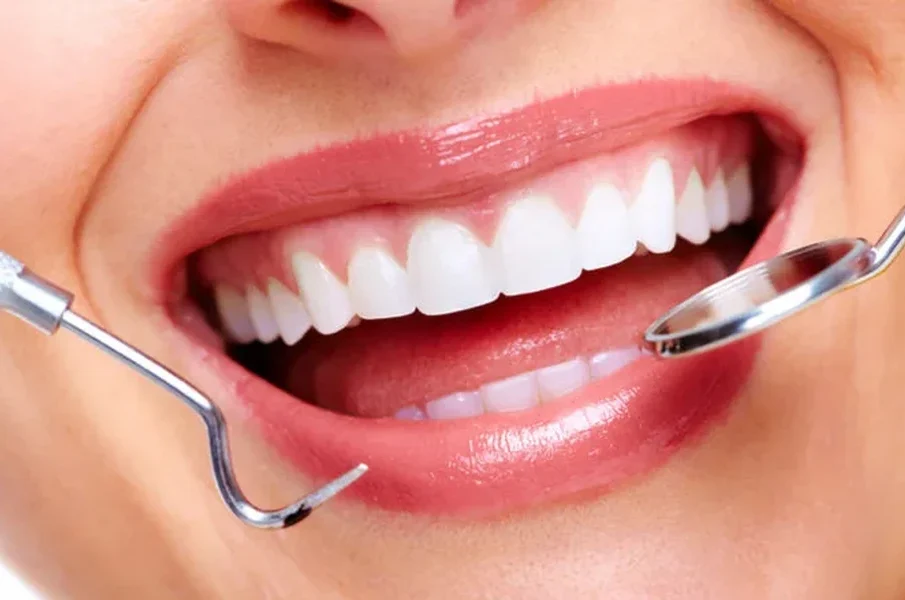
You brush, you floss when you can, and you try to ignore that little twinge because life is already full enough. A lot of people live that way. Oral health gets pushed down the list until something hurts, something breaks, or a routine visit turns into a surprise. That stress is real, especially when dental care feels confusing, expensive, or easy to put off. Finding the right dentist in North Indianapolis can make it easier to stay ahead of problems before they become bigger ones.
How General Dentistry Helps Patients Understand Their Oral Health comes down to something simple. A general dentist does more than clean teeth and fill cavities. They help you see what is happening in your mouth, what habits are helping or hurting, and what to do next before small problems turn into bigger ones. That kind of clarity can save you pain, money, and a lot of second guessing.
General dentistry turns vague symptoms into clear answers
Oral health problems rarely announce themselves in a dramatic way at first. Bleeding gums seem minor. Bad breath gets blamed on coffee. Tooth sensitivity comes and goes, so it is easy to tell yourself it can wait. The trouble is that many dental issues build quietly. Gum disease, enamel wear, grinding, and early decay often start with signs that are easy to miss or explain away.
A general dentist helps connect those signs to a cause. If your gums bleed, that may point to gingivitis. If one side of your jaw aches in the morning, you may be grinding at night. If your teeth look fine but feel sensitive, the problem may be worn enamel, gum recession, or a small crack. When you understand the reason behind the symptom, you can act with more confidence and less fear.
This matters because people often fill in the blanks on their own. They buy whitening toothpaste for sensitivity, mouthwash for bleeding gums, or over the counter guards that do not fit well. Sometimes those choices help a little. Sometimes they cover the problem while it keeps getting worse.
Routine dental visits build health literacy, not just cleaner teeth
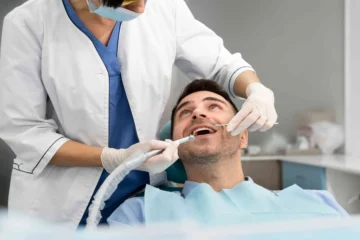
One of the most overlooked parts of oral health education through general dentistry is that it teaches you how your own mouth works. A good dental visit does not leave you wondering what just happened. You should come away knowing where plaque builds on your teeth, whether your gums are inflamed, how your bite is functioning, and what changes deserve attention.
That kind of information changes behavior because it feels personal. “Brush better” is easy to ignore. “You are missing the gumline around your back molars, and that is where inflammation is starting” is clear and usable. The same is true for diet, dry mouth, tobacco use, and medications that affect saliva. Once you see how daily habits show up in your mouth, prevention stops feeling abstract.
Federal health sources support that day to day prevention matters. The CDC shares oral health tips for adults that include brushing with fluoride toothpaste, cleaning between teeth, and keeping up with dental visits. The National Institute of Dental and Craniofacial Research also outlines practical oral hygiene guidance that helps people prevent decay and gum disease at home.
Ignoring oral health often costs more than people expect
Many people avoid the dentist because they are trying to save money. That makes sense in the short term. If nothing hurts, it can feel hard to justify the visit. The problem is that untreated dental issues tend to get more expensive, not less. A small cavity may need a filling now, but a crown or root canal later. Mild gum inflammation may improve with better home care and cleanings, but advanced gum disease can lead to deeper treatment and tooth loss.
There is also the daily cost people do not always count. Pain changes how you eat, sleep, and focus. Embarrassment about your teeth changes how you smile and speak. Chronic mouth problems can make you feel older, worn down, or distracted in ways that spill into work and family life.
The Health Resources and Services Administration highlights how adult oral health is linked to overall well being, especially as people manage chronic conditions and aging. Your mouth is not separate from the rest of you. It affects nutrition, comfort, confidence, and health decisions across the board.
General dental care gives you a clearer path than guesswork
People often try to manage oral health with internet advice, home remedies, and products that promise a lot. Some of that can support a healthy routine. None of it replaces an exam that catches what you cannot see. The difference is not just treatment. It is understanding.
| Approach | What You Learn | Short Term Result | Long Term Risk |
|---|---|---|---|
| Home care only | General habits like brushing and flossing | May reduce plaque and freshen breath | Hidden decay, gum disease, bite issues, and cracks may go unnoticed |
| Online self diagnosis | Possible causes based on symptoms | Temporary reassurance or confusion | Wrong treatment choice and delayed care |
| General dental care | Personalized findings about teeth, gums, bite, and risk factors | Clear explanation and targeted treatment plan | Lower risk of preventable damage when care is consistent |
Small actions make oral health easier to manage
Schedule a baseline visit. If it has been a while, start there. You do not need to wait for pain to justify it. A routine exam gives you a real picture of your oral health and helps separate urgent issues from manageable ones.
Ask for plain language explanations. If your dentist mentions plaque, recession, wear, or inflammation, ask what that means in your case. Ask what happens if you do nothing for six months. Ask what one change would help the most right now. Good care includes understanding, not just treatment.
Match your home routine to your actual risks. The right routine depends on what your mouth needs. Some people need more focus on flossing technique. Others need fluoride, dry mouth support, or help managing grinding. Personalized advice works better than copying a generic routine that may not fit you.
Better oral health starts with understanding
You do not need to know everything about dentistry to take care of your mouth. You just need clear information, a realistic plan, and support that makes sense for your life. That is where general dentistry helps most. It turns uncertainty into direction and gives you a better chance to protect your teeth before problems grow.
If you have been putting off care, now is a good time to schedule a visit with a general dentist and get answers that fit your health, your habits, and your next step.