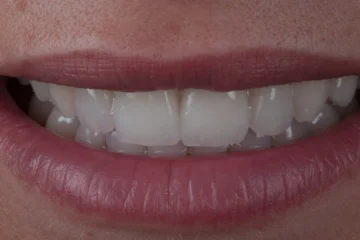
Dental Implant Cost: What Influences the Final Price?
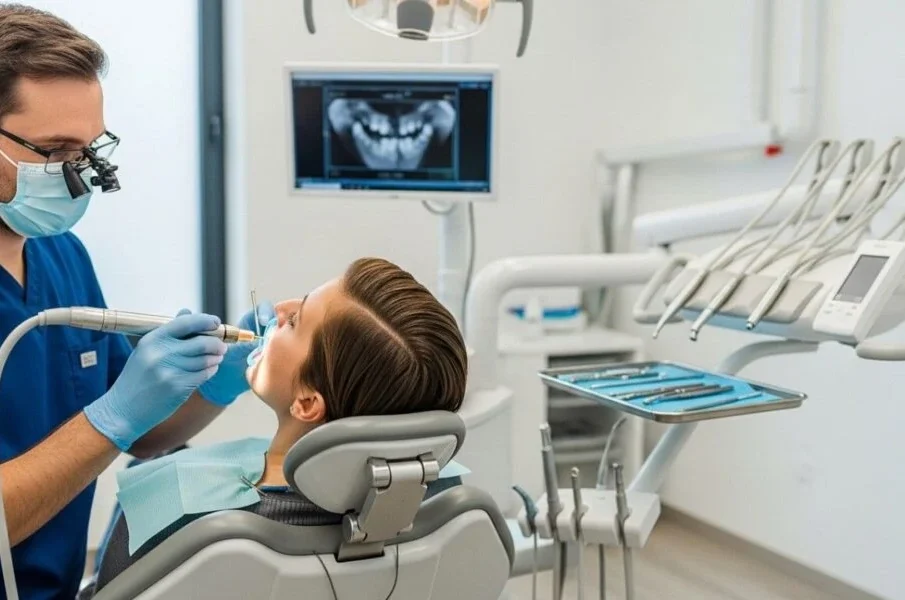
Two patients can walk out of the same dental office with very different implant quotes, and the gap usually comes down to a specific set of variables rather than inconsistent pricing. Understanding what actually moves the number on a treatment plan helps patients ask better questions and avoid confusion when comparing estimates.
Before comparing treatment plans, patients often want a clearer idea of what their dental implant cost might be. While general price ranges can provide a starting point, the final amount depends on factors such as the number of implants required, the condition of the jawbone, the type of restoration selected, and the fees charged by the dental provider. Additional services like imaging, extractions, bone grafting, or sedation may also be included, so reviewing an itemised estimate is one of the best ways to understand the actual investment involved.
How Complex the Starting Case Is
A patient with a strong, healthy jawbone and a single missing tooth needs a far simpler procedure than someone missing several teeth with years of bone loss behind them. The more preparatory work a case requires, the more stages get added to the treatment plan, and each stage carries its own cost.
Implant Material and Brand
Nearly all modern implants are made from titanium or a titanium alloy, though some patients opt for zirconia posts instead. Beyond material, the manufacturer matters too, since certain established implant brands carry a premium tied to their long clinical track record.
The Final Restoration Chosen
What sits on top of the implant, whether a single crown, a multi-tooth bridge, or a full-arch prosthesis, and the material it is made from together account for a large share of the total. Zirconia restorations, for instance, typically add several hundred to a few thousand dollars compared with a standard porcelain option.
Geography and Provider Overhead
Clinics located in large coastal cities generally charge more than those in smaller towns, largely because rent, staffing, and lab costs are higher in those markets. A specialist with additional surgical training may also charge more than a general dentist offering the same base procedure.
Even within the same city, a practice with its own in-house dental lab can sometimes offer more competitive pricing than one that outsources every restoration to a third party, since that removes an extra layer of lab fees from the total.
Preparatory Procedures and Sedation
Bone grafting, sinus lifts, and tooth extractions are among the most common add-ons that push a quote higher than a patient initially expects. Sedation choice also plays a role, since IV sedation typically costs more than local anaesthesia alone but may be recommended for longer or more involved surgeries.
Diagnostic imaging, particularly a three-dimensional CT scan used to plan implant placement around nerves and sinus cavities, is another line item that is sometimes bundled into the base fee and sometimes charged on its own, so it is worth clarifying upfront.
Number of Implants and Restoration Type
A quote for a single crown will naturally look very different from one covering a multi-implant bridge or a full-arch restoration, since both the surgical time and the lab work scale up with the number of teeth being replaced. Patients with several missing teeth should ask whether a bridge supported by fewer implants might achieve a similar result at a lower price than replacing every tooth individually.
Conclusion
The final price on an implant treatment plan is really the sum of several independent decisions: how much preparatory work is needed, which materials are chosen, and who is providing the care. Walking through each of these line items with a treating dentist turns a confusing total into a number that actually makes sense.