Why General Dentistry Is Essential In Detecting Oral Cancer Early
You brush, floss, rinse, and try not to miss your checkups, yet most people still do not spend much time thinking about oral cancer. That is normal. It often stays quiet at first, and that is what makes it dangerous. A sore that does not heal, a rough patch, a change in how your mouth feels, these things are easy to brush off when life is busy and nothing seems urgent. That is one reason to stay connected with your local Santa Rosa office for modern dental care.
The hard truth is that early signs of oral cancer can look minor, painless, and forgettable. You may assume it is irritation from a bite, a canker sore, or dental work. This is where routine dental visits matter so much. A general dentist is often the first health professional to spot changes in the mouth, tongue, gums, throat, or lips that need a closer look. That is the core reason why general dentistry is essential in detecting oral cancer early. Early detection can lead to earlier treatment, fewer complications, and better outcomes.
General dentistry catches changes you may never notice
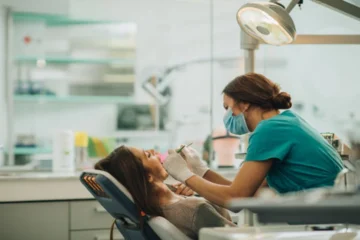
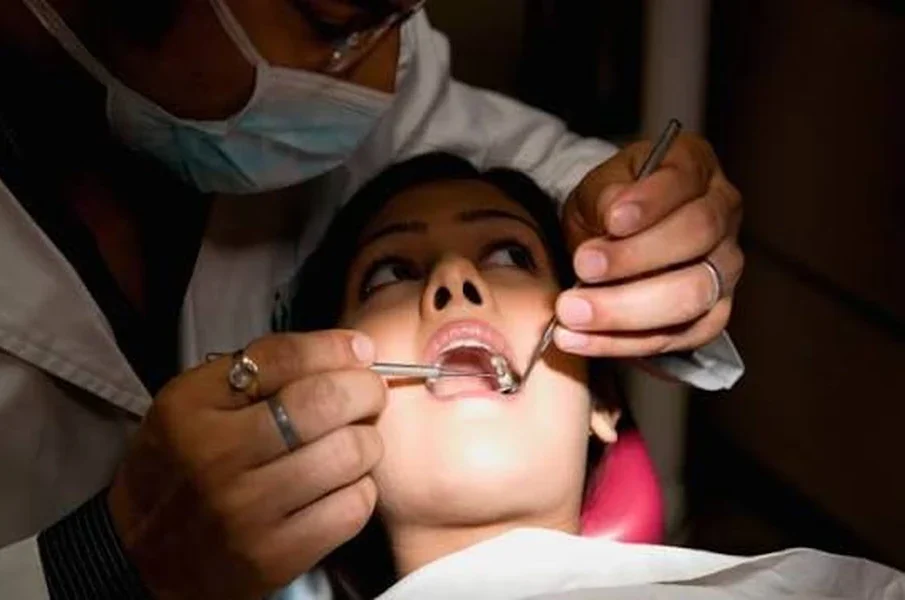
A general dentist does more than check for cavities and clean teeth. During routine visits, your dentist looks at the soft tissues of your mouth, your tongue, the floor of your mouth, the roof of your mouth, and areas near your throat. According to the National Institute of Dental and Craniofacial Research, an oral cancer exam is a standard part of many dental checkups.
That matters because oral cancer does not always announce itself with pain. Some people notice a white or red patch. Others feel a lump, numbness, hoarseness, trouble chewing, or the sense that something is stuck in the throat. Some notice nothing at all. A dentist trained to examine these tissues regularly can see patterns and changes that would not stand out to you in the mirror.
This is one reason early oral cancer detection by a dentist is so valuable. Familiarity helps. When your dentist has seen your mouth over time, subtle changes are easier to spot.
Risk factors make regular dental exams more than routine care
Some people face a higher risk of oral cancer, including those who use tobacco, drink alcohol heavily, or have certain infections and long term sun exposure to the lips. Age also plays a role. The National Cancer Institute outlines several oral cancer risk factors that can raise concern even before symptoms appear.
You do not need every risk factor to develop a problem. That is where people get caught off guard. They think, “I do not smoke, so this cannot apply to me,” or “It does not hurt, so it is probably nothing.” A general dentist is not there to scare you. The job is to notice what does not belong and act before a small issue has time to grow.
When something suspicious appears, your dentist may monitor it briefly, refer you to a specialist, or recommend a biopsy. That step can feel alarming, but delay is usually the bigger risk. The National Cancer Institute also explains the current evidence and limits around oral screening for oral cancer, which helps put screening in context. Screening is not magic, but careful exams still play a real role in finding concerning lesions early.
Delays in diagnosis can raise the emotional and financial cost
People often wait because they are hoping a sore will fade on its own, or because they do not want to overreact. That instinct is human. It also gives suspicious lesions more time. When oral cancer is found later, treatment can become more extensive. Surgery may be larger. Recovery may be harder. Speech, eating, and appearance can all be affected in ways that touch daily life.
The emotional side is just as real. Waiting with uncertainty drains people. So does hearing that something might have been easier to treat months earlier. A routine dental visit is a small commitment compared with the stress of a late diagnosis.
Routine dental visits and self checks work best together
You should know what feels normal in your own mouth, but self checks have limits. Lighting is poor, angles are awkward, and many areas are hard to see. A general dentist has training, tools, and a structured approach. That makes a difference.
| Approach | What It Can Catch | Main Limitation | Best Use |
|---|---|---|---|
| At home self check | Obvious sores, lumps, color changes, lip lesions | Easy to miss painless or hidden areas | Monthly awareness between visits |
| Routine general dental exam | Visible and subtle tissue changes across the mouth and throat area | Depends on keeping regular appointments | First line for oral cancer screening in general dentistry |
| Specialist evaluation or biopsy | Definitive diagnosis of suspicious lesions | Usually happens only after a concern is found | Confirming whether a lesion is cancerous |
This is why the generic idea of just seeing a general dentist for cleanings misses the bigger picture. Preventive care includes watching for disease, not only plaque and decay.
Three steps you can take right away
1. Keep regular dental checkups on the calendar. If you have been postponing visits, reschedule. Consistency gives your dentist a better chance to notice changes early, especially ones you would never feel.
2. Pay attention to symptoms that last more than two weeks. Watch for sores that do not heal, red or white patches, unexplained bleeding, numbness, a lump, pain when swallowing, hoarseness, or a change in how dentures fit. Persistent symptoms deserve an exam.
3. Be honest about your risk factors. Tell your dentist if you use tobacco, drink heavily, have a history of HPV related concerns, or spend a lot of time in the sun. Clear information helps your dentist decide how closely to monitor changes.
Early detection starts in the dental chair
If you have ever wondered whether routine dental visits really matter beyond your teeth, this is one of the clearest answers. They do. Why General Dentistry Is Essential In Detecting Oral Cancer Early comes down to timing, visibility, and trained attention. The sooner something suspicious is found, the sooner you can get answers and, if needed, treatment.
You do not need to wait until something feels serious. A regular dental exam is often where early warning signs first come to light, and that can change the course of care in a very real way.