Common Arm Sling Mistakes and How to Avoid Them
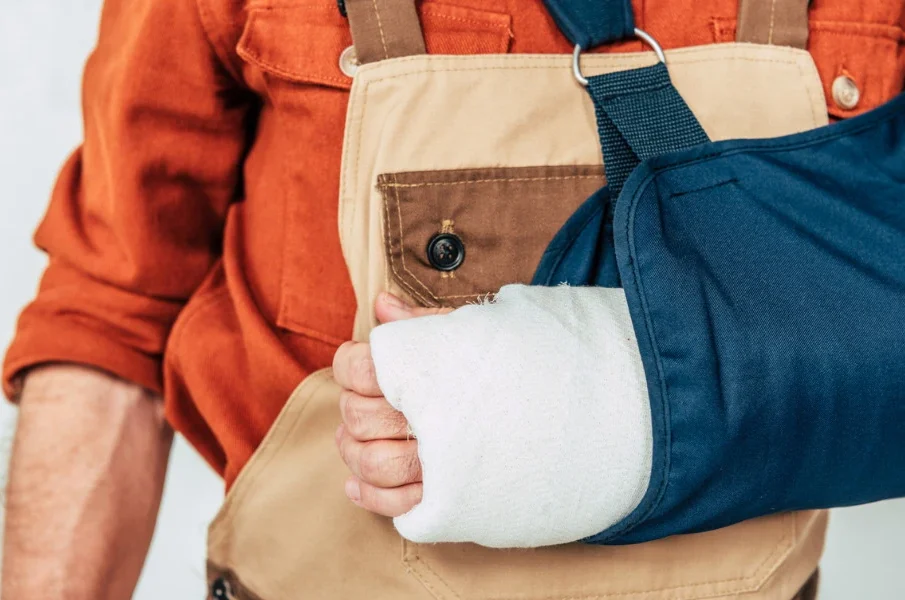
If someone is going through the recovery process of any arm or shoulder related injury then their doctor must have recommended an arm sling for a comfortable and faster recovery. An arm sling is an orthopedic device that is specifically designed to provide support to the shoulder and arm area while also reducing the discomfort patients usually experience in the recovery phase.
Moreover, the breathable fabric and adjustable straps allows the user to wear it for an extended period of time while also keeping the arm and shoulder in the natural position.
Using an arm sling pouch is easy and one can use it by yourself but there are some mistakes people usually make that affect their comfortable experience while wearing the sling.
So, in this blog we will talk about the common mistakes people make when using the sling and how you can avoid it to get a comfortable and safer experience while using the arm pouch.
Why Wearing Arm Sling Correctly Matters?
An arm sling is designed in such a manner that it helps provide support, immobilization and prevent the arm and shoulder region from further damage. So wearing the arm sling or pouch in the correct manner is very important to get the benefits. But if someone is not wearing the sling properly then the arm sling can put pressure on the neck, shoulder, elbow and wrist that can cause stiffness and people may face discomfort.
Common MIstakes and How to Avoid them
As we know that if we use the arm sling in the wrong manner it may lead to discomfort and pain. Wearing it properly while knowing the common mistakes and how you can avoid them is also key to get the best out of it. So below are the common mistakes and solution of it:
1. Wearing the wrong size Sling
Using a wrong size sling is a common mistake people usually make when they are purchasing the sling. There are two possibilities that can happen if you wear the wrong size arm sling or pouch.
- Wearing a Tight Arm Sling
People usually make mistakes when they choose a right size sling and often select a too tight arm sling. Wearing a tight arm sling can cause discomfort and put extra pressure on the neck and shoulder region that affects the recovery process of the user. Common signs you are wearing a tight arm sling are numbness, stiffness in the shoulder and neck muscles and increased discomfort. Consider the following tips to avoid it:
- Invest a sling that contains a shoulder strap
- Adjust the straps such that you feel comfortable and your finger remains warm and no increased pain.
- Wearing a loose Arm Sling
The scenario is you are using an arm sling that is too loose. A loose arm sling does not offer the required support and stability we seek, so it does not help in providing comfort to us. Sign you are using a loose arm sling are hand remains too low than the appropriate position and unwanted pressure on the neck and shoulder region. Following the below points help to avoid it:
- Make sure your elbow is making a 90 degree angle comfortably.
- Your hand should remain slightly higher than the elbow.
- Sling should not put extra pressure on the neck area.
2. Incorrect Elbow Position
Elbow position is very important to get the required support to have a comfortable experience. Sometimes the elbow is not properly placed in the sling or remains out of the sling that results in no support provided to the elbow resulting in discomfort to the user. Solution for this is:
- Always make sure that your elbow remains in the pouch in the right position to get the required support.
- Use an arm sling that provides support from elbow to wrist as this sling promotes more support and comfort.
3. Unsupported Wrist Hang
Many people let their wrist hang without any support but this causes severe stress and strain on the wrist ultimately leading to discomfort. So wear it in the following manner:
- Your wrist should not hang unsupported; it should remain fully supported while you are wearing it.
- Only your finger front should remain free while wearing the arm sling.
4. Neglecting Neck Comfort
Given that the neck strap remains for a long period of time, it can cause discomfort to the user due to neck strain. So follow the below guidelines to avoid it:
- Use a soft neck pad to reduce the stiffness in the neck region.
- Always position the neck strap in the right position to prevent any neck pain.
- Adjust the neck strap whenever you are facing any discomfort or pain.
5. Ignoring Warnings
While mild discomfort or ache is normal but sometimes the pain persists people avoid thinking it’s due to the support but that is not the case. Whenever you feel these signs consult your doctor:
- Constant numbness or tingling
- Increased swelling and pale fingers
- Increased pain or ache in the arm or shoulder area
- Difficulty in moving the fingers during the wearing time
Conclusion
An arm sling is the most commonly used medical device recommended by the doctor during the recovery phase. Using it properly is also essential to make the most out of it. It offers comfort and support to the arm and shoulder region.
But improper positioning of the elbow, wrong size sling, ignoring neck comfort and ignoring warnings are the common mistakes people often make while using the sling that makes their experience less safe and affects their healing process. So knowing these mistakes and how you can avoid it beforehand helps you provide a comfortable experience during your recovery time while also preventing any fatal circumstances.