6 Cosmetic And General Dentistry Services That Work Together Seamlessly

You might be feeling torn between two goals that seem separate at first. You want a healthier mouth, but you also want to feel good when you smile. Maybe you have a chipped tooth, old fillings, some staining, or a bite that does not feel quite right, and now you are wondering whether you need cosmetic care, general dental care, or both. That uncertainty is common, and it can make even a simple dental visit feel heavier than it should. Talking with a dentist in Eastpointe, MI can help you understand your options and choose the care that fits both your health needs and your smile goals.
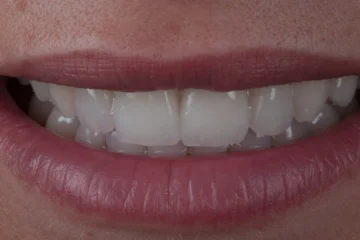
The good news is that these treatments often work best together, not apart. A thoughtful family and cosmetic dentist can look at your teeth as a whole, protect your oral health, and improve how your smile looks at the same time. In simple terms, the six services below tend to support each other well: exams and cleanings, fillings, crowns, bonding, teeth whitening, and veneers. When they are planned in the right order, you get results that look natural and last longer.
Why do cosmetic and general dentistry often need each other?
It is easy to think of dental care in two boxes. One box is health, which includes cleanings, fillings, and repair. The other box is appearance, which includes whitening and smile changes. But your mouth does not work in boxes. If a tooth is weak, stained, worn, or uneven, both function and appearance are involved.
Because of this, many people start with one concern and discover another one underneath. You may come in wanting whiter teeth, then learn that a cracked filling should be replaced first. Or you may want to fix a broken front tooth and find that bonding or a veneer will look better after a cleaning and shade check. So, where does that leave you? Usually with a treatment plan that blends cosmetic and general dentistry services in a way that feels practical, not excessive.
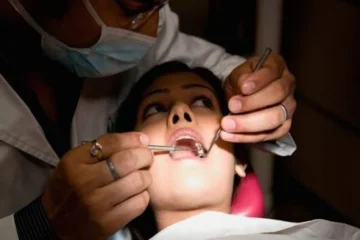
Routine exams and cleanings are often the starting point. Good daily care and regular visits help reduce plaque, gum irritation, and decay risk, which supports every other treatment. The National Institute of Dental and Craniofacial Research offers helpful guidance on oral hygiene habits that keep both natural teeth and dental work in better shape.
Which 6 dental services tend to work together most smoothly?
First, exams and cleanings create the foundation. They help catch issues early, remove buildup, and give your dentist a clear view of what your teeth and gums need before cosmetic work begins.
Second, fillings repair small areas of decay or damage. If you have cavities, treating them first helps stop pain and protects the tooth structure. The American Dental Association explains common options for materials for direct restorations, which are often used for fillings.
Third, crowns restore teeth that are too weak or broken for a simple filling. A crown can strengthen the tooth while also improving its shape and color. If you have a tooth that shows when you smile, this is where function and appearance meet in a very direct way. The ADA also outlines options for materials for indirect restorations, including crowns.
Fourth, bonding can reshape chipped edges, close small gaps, and smooth uneven surfaces. It is often a good fit when you want a conservative fix that blends in well.
Fifth, teeth whitening can brighten your smile after your mouth is healthy and stable. This matters because whitening does not treat decay or cracks, and existing dental work may not change color the same way natural teeth do.
Sixth, veneers can address shape, color, spacing, and minor alignment concerns on front teeth. They often work best after your dentist has handled any bite, gum, or structural issues first.
Taken together, these six treatments show why cosmetic and general dentistry services are often strongest when they are coordinated. One service supports the next, and the final result tends to feel more balanced.
What should you weigh before choosing between these smile repair options?
If you are comparing treatments, cost is probably on your mind, along with how long results may last and how much tooth structure is involved. That is a reasonable place to pause. Not every concern needs the most advanced option, and not every quick fix is the right one either.
| Service | Best For | Main Benefit | Key Consideration |
|---|---|---|---|
| Exam and Cleaning | Preventive care and early detection | Supports all future treatment | Needs to be done regularly |
| Filling | Small cavities or minor damage | Stops decay and restores shape | May not be enough for larger cracks |
| Crown | Weak, broken, or heavily restored teeth | Adds strength and improves appearance | Needs more preparation than a filling |
| Bonding | Chips, small gaps, edge reshaping | Conservative and often completed quickly | Can stain or wear over time |
| Whitening | Natural tooth discoloration | Brighter smile with minimal change to tooth shape | Does not fix damage or change crown color |
| Veneers | Front tooth color and shape concerns | Creates a polished, even look | Requires careful planning and upkeep |
For example, if you have one dark, damaged front tooth, whitening alone may leave you frustrated. A crown or veneer may be a better match. If you have healthy teeth with minor chips and staining, bonding plus whitening may get you where you want to go with less change. That is why a good cosmetic dentist and general dental care plan is rarely one size fits all.
What can you do right now if you want a healthier, better looking smile?
1. Start with health first. If you have not had a recent exam, begin there. A cleaning, X rays if needed, and a full review of your teeth and gums can prevent you from spending money on cosmetic work before hidden issues are treated.
2. Ask about sequence, not just services. The order matters. You can ask simple questions like, “What needs to be fixed first?” and “If I want to whiten or improve my front teeth, when should that happen?” This helps you avoid redoing work later.
3. Think in stages. You do not have to do everything at once. Many people begin with preventive and restorative care, then move into smile improvements over time. That approach can feel easier financially and emotionally, while still moving you toward your goal.
How do you move forward without feeling overwhelmed?
You do not need to have every answer before you schedule care. You just need a clear starting point and a dentist who can connect health, comfort, and appearance in a way that makes sense for you. The best general and cosmetic dental services do not compete with each other. They support each other, and they help you protect your teeth while feeling more at ease with your smile.
If your smile has been bothering you, or if you have been putting off care because the options feel confusing, take the next step and schedule a visit with a family and cosmetic dentist. A thoughtful plan can make things feel much simpler, and a lot more manageable, than they do right now.