Why Tooth Surface Texture Matters When Matching A Natural Looking Dental Restoration
You can spot a dental restoration that is the wrong color. You can also spot one that is the right color but still looks off, and that is often the part people cannot quite name. The tooth may look flat, too shiny, too smooth, or strangely bright under certain light. If you have ever worried that a crown, veneer, or bonding might stand out when you smile, you are noticing something real. Color matters, but texture is often what makes a restoration look like a natural tooth instead of a polished substitute, which is why professional dental care for patients in Plymouth, MA can make such a difference.
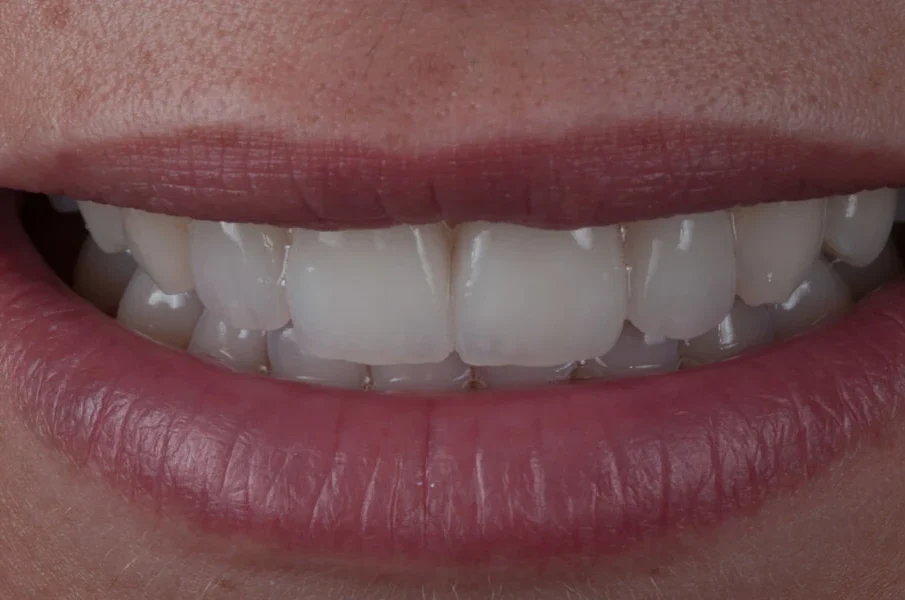
Natural teeth are not perfectly smooth. They reflect light through tiny ridges, grooves, and wear patterns that develop over time. That surface detail changes how the tooth looks from different angles, in sunlight, under office lighting, and in photos. A restoration can match the shade guide and still miss the mark if the surface texture is wrong. That is why tooth surface texture matters when matching a natural looking dental restoration. It affects realism, blend, and how confident you feel when you talk or smile.
Natural tooth texture shapes the way light moves across your smile
When people think about cosmetic dentistry, they usually focus on shade. That makes sense. Shade is easy to see and easy to discuss. Texture is quieter, but it does a lot of the visual work. A younger tooth often has more visible surface anatomy and sharper light reflection. An older tooth usually shows softer contours and more wear. If a restoration ignores that and comes back too glossy or too uniform, it can look separate from the teeth around it.
This is where many patients feel confused. You may say, “The color looks close, so why does it still not look right?” The answer is often in the surface finish. A skilled general and cosmetic dentist looks beyond basic shade matching and pays attention to enamel character, luster, translucency, and microtexture. Those details help create a result that disappears into your smile instead of calling attention to itself.
Research also supports how complex natural teeth really are. The National Institute of Dental and Craniofacial Research explains what really keeps teeth strong, showing how enamel structure is far more advanced than it appears at a glance. That structure affects strength, but it also contributes to the look of natural enamel as it handles light and wear.
Flat restorations often look artificial even when the shade is correct
A crown or veneer does not have to be badly made to look unnatural. Sometimes it is simply overpolished. Sometimes the front surface is too uniform, with no subtle perikymata, no faint line angles, and no variation in gloss. The result can look bulky or false, especially next to untouched natural teeth. In photos, that difference often becomes stronger because flash and bright light exaggerate surface reflection.
This matters even more for front teeth. A single central incisor restoration has to blend with the neighboring tooth in shape, translucency, and texture. If one front tooth reflects light like glass while the other has soft enamel character, people may notice the mismatch even if they cannot explain why. That is one reason natural tooth texture in cosmetic dentistry is such a big part of high level esthetic work.
Texture also affects how a restoration ages visually. Teeth are living parts of your smile story. They show gentle wear, minor irregularities, and soft changes over time. A restoration that is too perfect can look out of place from day one. A restoration designed to mirror the surrounding enamel tends to stay believable longer.
Texture matching supports both beauty and function in dental restoration
Surface texture is not only cosmetic. The finish of a restoration can influence plaque retention, stain resistance, and how the material feels against your lips and tongue. A restoration that is too rough may trap stain more easily. One that is too slick and featureless may look unnatural. The goal is balance. You want a surface that mimics enamel, feels comfortable, and works well with the bite.
The broader picture of oral health supports this attention to detail. The NIDCR report on oral health in America highlights both progress and ongoing challenges in dental care, reinforcing that dental treatment is not just about function in isolation. Appearance, confidence, and long term maintenance all matter to patients, especially when treatment is visible every time they smile.
Key differences between basic shade matching and natural looking dental restorations
| Feature | Basic Match | Natural Looking Match |
|---|---|---|
| Shade | Close color selection from a guide | Color adjusted for depth, translucency, and surrounding teeth |
| Surface texture | Smooth, uniform finish | Microtexture and gloss matched to nearby enamel |
| Light reflection | Can appear flat or overly bright | Reflects light in a way that blends naturally |
| Age matching | May look too new or too polished | Fits the wear pattern of your existing teeth |
| Overall result | Looks repaired | Looks like your own tooth |
Small clinical decisions create a more lifelike cosmetic dental result
Patients often assume the lab handles everything after an impression or scan. In reality, the final result depends on many small choices. Photos in different lighting, close review of neighboring teeth, material selection, and communication with the lab all affect the outcome. The final polish and contouring appointment matters too. That is often where a good restoration becomes a seamless one.
Dental restoration texture matching is especially useful for veneers, crowns on front teeth, composite bonding, and implant restorations in the smile zone. If you already have a restoration that feels too obvious, the issue may not be the shade alone. Refining contour or surface texture can sometimes improve the look more than changing color.
Three steps you can take before choosing a dental restoration
Ask to see real before and after cases. Look for close up photos, not just full smile shots. You want to see whether the restorations reflect light like natural teeth and whether they blend with the surrounding enamel.
Talk about texture, not just color. If you are discussing a veneer, crown, or bonding, ask how the surface will be customized to match the teeth next to it. This is a simple question, and it tells you a lot about the level of detail in the planning.
Check the restoration in different lighting. A tooth can look one way in the dental chair and another outdoors or in a mirror at work. If possible, review the result under more than one light source before final approval.
A natural smile depends on more than a shade match
If you have been worried that dental work might look obvious, that concern is valid. The smallest details often make the biggest difference, and texture is one of them. A restoration that matches your natural enamel in both color and surface character usually looks calmer, softer, and more like it belongs. That is the goal of good cosmetic and restorative dental care. If you are planning treatment, ask your dentist how they approach texture, light reflection, and enamel detail in every visible restoration.