

Cardiologist in Mumbai: When to See One, What the First Consultation Involves and How to Prepare
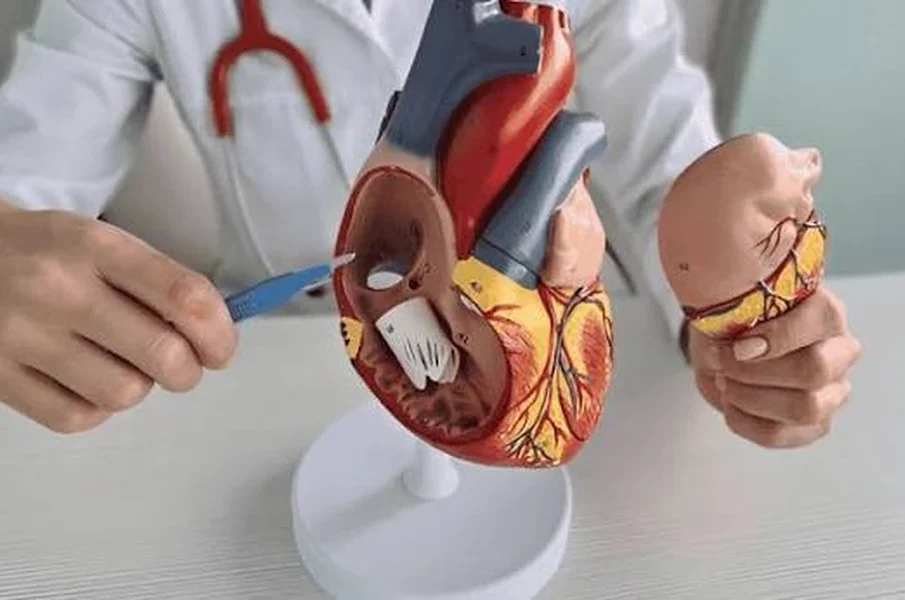
Chest discomfort after climbing the station stairs, a blood pressure reading that keeps creeping up, a parent who had a heart attack at 55 – these are the moments when people wonder whether it is time to see a heart doctor rather than their family physician. This article explains which symptoms and risk factors justify a consultation, what happens in the first appointment, the tests commonly ordered, and how to prepare so that the visit is useful.
Symptoms that warrant a consultation
Not every twinge is the heart, but the following deserve a proper evaluation rather than self-reassurance:
- Chest pain, pressure or tightness, especially on walking, climbing or stress, that eases with rest
- Breathlessness that is new, worsening, or occurs when lying flat
- Palpitations – a racing, pounding or irregular heartbeat lasting more than a few minutes
- Fainting or near-fainting, particularly during exertion
- Swelling of both ankles or feet that is worse by evening
- Unexplained fatigue or reduced exercise capacity compared with six months ago
- A doctor hearing a murmur, or an abnormal ECG on a routine check
When it is an emergency
Call for help or go to the nearest emergency department at once if chest pain lasts more than a few minutes, spreads to the arm, jaw or back, or comes with sweating, nausea or breathlessness; if you faint suddenly; or if breathlessness is severe at rest. Do not wait for an outpatient appointment in these situations.
Risk factors that justify a check-up even without symptoms
Indians tend to develop heart disease about a decade earlier than Western populations, so a prevention visit makes sense if you have:
- Diabetes or prediabetes
- High blood pressure or high cholesterol (including high triglycerides or lipoprotein(a))
- A first-degree relative with heart disease before 55 (men) or 65 (women)
- Smoking or tobacco use in any form
- Obesity, especially around the waist, or a sedentary job
- Kidney disease, or a history of rheumatic fever in childhood (a common cause of valve disease in India)
- Age above 40 with two or more of the above
A planned visit to a cardiologist in Mumbai for risk assessment is cheaper and calmer than an unplanned one after an event.
Who to see: general cardiologist or sub-specialist?
A general (clinical) cardiologist handles diagnosis, medicines and risk-factor control, and is the right first stop for most people. If you have a known valve problem, a hole in the heart, or have been told you need a procedure, you may be referred to an interventional or structural cardiologist. Looking for a heart specialist in Mumbai by qualification – MD followed by DM (Cardiology) – is a sound starting filter. For instance, Dr Aniruddha Pawar, MD (Internal Medicine), DM (Cardiology), FSCAI, is an interventional cardiologist whose practice centres on structural heart interventions such as TAVI and device closures.
What happens at the first consultation
Expect the appointment to take 20-40 minutes and to follow a fairly standard pattern:
- History – your symptoms, when they started, what brings them on, past illnesses, medicines, family history, smoking, alcohol, exercise and sleep.
- Examination – pulse, blood pressure in both arms, listening to the heart for murmurs or extra sounds, checking the lungs and ankles for fluid.
- Basic tests in clinic – an ECG is almost universal; many clinics also do an echocardiogram (ultrasound of the heart) on the same day.
- Discussion – a provisional diagnosis, which further tests are needed and why, and lifestyle or medicine changes to start now.
Tests commonly ordered
| Test | What it shows | Approximate cost in Mumbai |
|---|---|---|
| ECG | Rhythm, old heart attack, strain | ₹200-500 |
| Echocardiogram | Pumping function, valves, holes, pressures | ₹1,500-4,000 |
| Treadmill test (TMT) | Blockages revealed by exercise | ₹1,500-3,500 |
| Blood tests (lipids, sugar, thyroid, kidney) | Risk factors | ₹1,500-4,000 |
| CT coronary angiography | Non-invasive look at the arteries | ₹8,000-15,000 |
| Holter (24-hour ECG) | Intermittent rhythm problems | ₹2,500-5,000 |
Costs are indicative, vary between hospitals and labs, and the clinic will confirm its own charges. Not everyone needs every test; a good doctor orders what changes the decision.
How to prepare for the visit
- Carry all previous reports – ECGs, echo CDs, blood tests, discharge summaries – in date order.
- Write a list of every medicine and supplement with doses, or bring the strips.
- Note your symptoms honestly: what, when, how long, what helps.
- Record home blood pressure readings for a week beforehand if you have a monitor.
- Wear clothing that allows easy chest access for ECG and echo.
- Bring a family member; two sets of ears remember more.
- Prepare the three questions you most want answered.
After the appointment
Ask for a written summary with the diagnosis, the plan and the date of review. If a procedure or surgery is advised, it is reasonable to ask for time to think and, for major decisions, to seek a second opinion before proceeding. A follow-up with the same cardiologist in Mumbai is usually scheduled at four to twelve weeks to review test results and the response to medicines.
Heart disease is largely manageable when caught early; the hardest step is often simply making the first appointment.
Disclaimer: This article is for general information only and is not a substitute for medical advice. Please consult a qualified doctor about any heart symptoms or risk factors.


