4 Questions To Ask About Replacing A Dark Or Noticeable Crown
You might have noticed it in a photo first, or maybe in the mirror while getting ready. One crown looks darker than the teeth around it, or the edge has become easy to spot when you smile. That can feel small to everyone else and still feel big to you. At Hillcrest Dental Group dental office, when a dental crown stands out, it often changes the way you talk, laugh, and even how often you smile. If that sounds familiar, you are not overreacting.
The good news is that a noticeable crown can often be improved, and in some cases replaced, with a more natural looking option. Before you decide, it helps to ask the right questions about appearance, function, gum health, and timing. A skilled cosmetic and restorative dentist can help you sort out whether the issue is only cosmetic or whether it points to a deeper problem that should be treated now.
Is the dark or noticeable crown only a cosmetic issue, or is something changing underneath?
This is usually the first question worth asking, because what looks like a simple color problem may have more than one cause. Some older crowns, especially porcelain fused to metal crowns, can begin to show a dark line near the gum. In other cases, the crown itself has not changed much, but your surrounding teeth, gums, or the tooth under the crown have.
Why does that matter? Because replacing a crown for looks alone is very different from replacing one because it no longer fits well. If the margin is open, if decay has formed underneath, or if the crown is trapping bacteria near the gumline, the problem can move from cosmetic to restorative very quickly. According to MedlinePlus information about dental crowns, crowns may need replacement when they become worn, loose, damaged, or no longer protect the tooth as intended.
So, where does that leave you? It means your next step should not be guessing. It should be finding out whether the dark appearance is caused by metal showing through, gum recession, staining, wear, or damage under the crown. That answer shapes everything else.
Could my gums be making the crown look worse than it really is?
Sometimes the crown is not the whole story. If your gums have receded, more of the crown margin may be visible, which can create that dark or obvious border. If the gum tissue is inflamed, the area can also look uneven or shadowed, making one tooth stand out more than the others.
This is where people often feel frustrated. You may think, “I already paid to fix this tooth. Why does it look worse now?” That reaction makes sense. Dental work ages, and your mouth changes over time. A crown that looked natural years ago may no longer blend in if your gumline has shifted or if neighboring teeth have changed color.
It is also worth asking whether gum disease is part of the picture. Early gum problems can be easy to miss, especially around old dental work. The National Institute of Dental and Craniofacial Research explains the signs and risks on its page about gum disease. If your gums bleed, feel tender, or look lower around the crowned tooth, treating the tissue first may improve the result and help a replacement crown last longer.
What are my options if I want a more natural looking dental crown replacement?
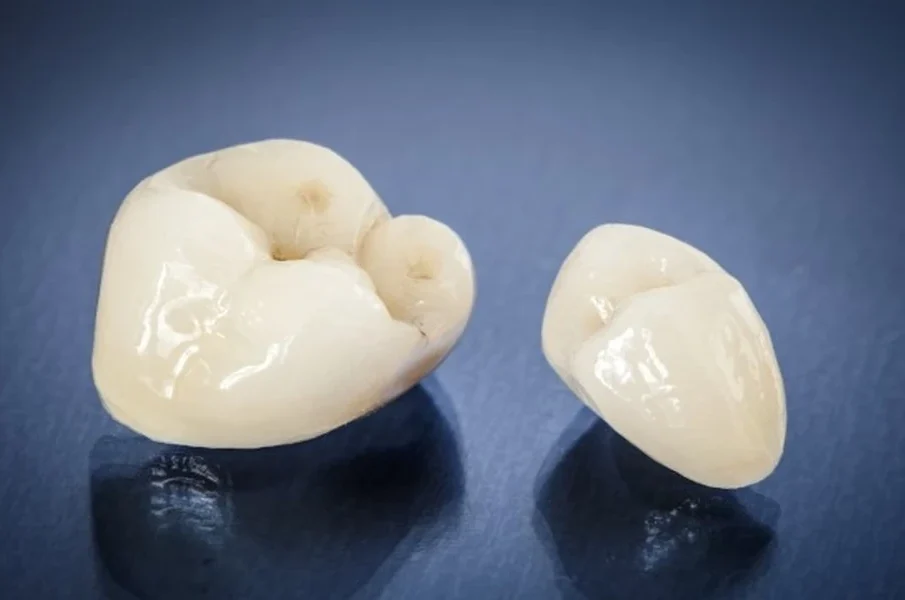
If the crown does need to be replaced, ask what material will look best in your smile. This is one of the most useful questions to ask about replacing a visible crown, because materials differ in strength, translucency, and how they interact with light.
Many people who want to replace a dark dental crown are hoping for one thing above all else. They want it to disappear into the smile. All ceramic and zirconia based restorations are often chosen for front teeth or visible areas because they can avoid the dark metal line seen with some older crowns. The right choice depends on where the tooth is located, how much bite pressure it handles, and whether the tooth underneath needs more support.
You may also want to ask if matching the neighboring teeth is realistic now, or if whitening nearby teeth first would help the new crown blend better. A good plan looks at the whole smile, not only the one tooth. That is often the difference between a crown that is acceptable and one that truly feels natural.
When does a noticeable crown become urgent to replace?
Not every visible crown is an emergency, but some signs should not be ignored. Pain when biting, a loose feeling, bad odor around the tooth, swelling, recurring sensitivity, or bleeding at the gumline can all point to a problem beyond appearance. If there is a sore that does not heal or a persistent change in oral tissue, it is wise to have it checked promptly. MedlinePlus offers helpful background on oral cancer symptoms and warning signs, which can matter anytime something in the mouth seems off and does not improve.
Because of this tension, you might wonder whether waiting saves money or creates a bigger repair later. In many cases, waiting too long can lead to more treatment if decay spreads or the tooth fractures further. A small issue at the edge of a crown can become a root canal, gum treatment, or even tooth loss if ignored long enough.
How do the most common crown replacement concerns compare?
| Concern | What it may mean | What to ask |
|---|---|---|
| Dark line at the gum | Metal margin showing, gum recession, or aging crown | Is this cosmetic only, or is the margin failing? |
| Crown looks too opaque or different in color | Older material or poor shade match | Would an all ceramic option look more natural? |
| Bleeding or tenderness around the crown | Gum irritation, poor fit, or plaque buildup | Do my gums need treatment before replacement? |
| Pain, looseness, or odor | Decay under crown, cement failure, or infection | Is the tooth still healthy enough for a new crown? |
What can you do right now if you are thinking about crown replacement?
1. Take clear photos and note any changes. Try to capture the crown in natural light, and write down when you first noticed the dark edge, color shift, tenderness, or looseness. That timeline helps identify whether the issue is stable or getting worse.
2. Ask for an evaluation, not just a quick quote. A proper exam should look at the crown, the underlying tooth, your bite, and your gums. If you are exploring crown replacement, the best decision comes from knowing why the crown stands out, not only how much a new one costs.
3. Talk through materials, shade matching, and timing. Ask what result is realistic, whether nearby teeth affect the final look, and if any gum care or other treatment should come first. That kind of planning can spare you from replacing a crown and still feeling unhappy with the outcome.
If a crown has become dark or easy to notice, you do not have to keep living with that quiet self consciousness. In many cases, there is a clear path forward, and it starts with asking better questions. The right cosmetic and restorative dentist can help you understand whether the problem is cosmetic, functional, or both, and guide you toward a result that feels healthy and natural.