

KFT Test: What It Reveals About Your Kidney Function
The kidneys are small bean-shaped organs that sit above the waist, between the peritoneum and the back of the abdomen. The main functions of the kidneys are the reabsorption of solutes and water, the production of urine and the excretion of wastes. A typical adult kidney is 10-12 cm (4-5 in) long, 5-7 cm (2-3 in) wide and 3 cm (1 in) thick. The kidneys make three important hormones: calcitriol (the active form of vitamin D), Renin (regulates blood pressure) and erythropoietin (supports the production of red blood cells in the bone marrow).
Most kidney diseases occur when the kidneys lose their ability to filter waste effectively. This often happens due to damage to the nephrons – the tiny filtering units of the kidneys. The damage tends to happen over time and it only becomes apparent when the condition has progressed significantly. The two most common causes of kidney-related disorders are high blood pressure and diabetes.
A kidney function test (KFT) is suggested to determine how effectively the kidneys are functioning. It aids in tracking ongoing kidney conditions and monitoring whether certain medicines are affecting kidney function. KFT is also referred to as serum creatinine, urine creatinine, kidney function and renal function.
What is it used for?
A key part of the KFT is the blood creatinine test, which helps assess how efficiently the kidneys are filtering the waste from the blood. Since creatinine levels may vary based on factors such as age, diet, muscle mass, and physical activity level, the results are usually interpreted in context. KFT is commonly included in routine health check-ups and helps indicate how severe a kidney issue may be. It is also reviewed alongside tests like basic metabolic panel (BMP) or comprehensive metabolic panel (CMP), which provide additional details regarding electrolyte balance and overall kidney health.
When should you consider this test?
Your doctor may advise KFT test if you notice symptoms such as swelling in the face, wrists, or ankles, ongoing tiredness, loss of appetite, lower back discomfort, changes in urine patterns, or high blood pressure.
This test may also be recommended if you have conditions such as pyelonephritis (a bacterial kidney infection) or glomerulonephritis (inflammation of the kidney’s filtering units).
In some cases, it is done before surgery to ensure that the kidneys are functioning properly. Regular testing may also be advised if an individual is taking some medications that could affect kidney health.
How is this test done?
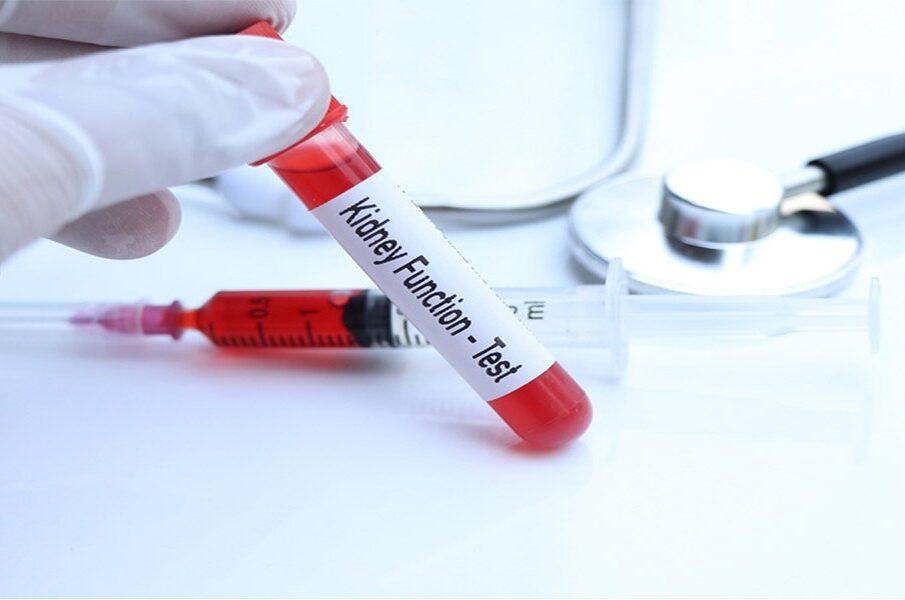
This test involves taking a blood sample from a vein in the arm, performed by a trained phlebotomist. In some cases, a urine sample may also be required. While fasting is not typically necessary, you may be asked to stop eating red meat 24 hours beforehand, as it can temporarily influence creatinine levels.
Once the sample is collected, a small bandage is applied. At that point, you can usually return to normal activities. Mild discomfort or slight bruising may occur but it usually resolves quickly.
KFT and dialysis
In advanced stages of kidney disease, dialysis may be required to remove excess waste and toxins from the blood when the kidneys are no longer able to do so effectively. Symptoms associated with reduced kidney function may include:
- Nausea and vomiting
- Shortness of breath
- Persistent fatigue and weakness
- Swelling of legs, feet, or face
- Loss of appetite
- Reduced urine output
Disclaimer: This information is for general awareness only and should not be considered as professional medical advice. Always consult a qualified healthcare provider for personalised guidance.


